


LOGLINE
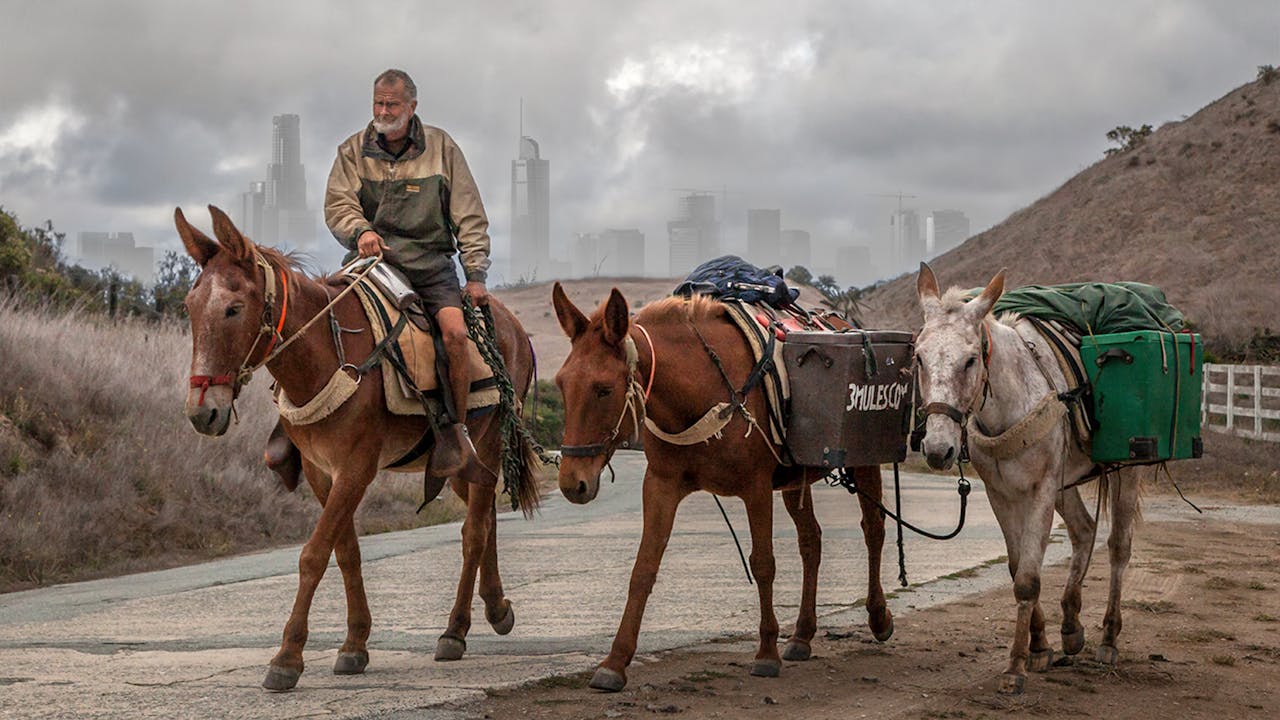
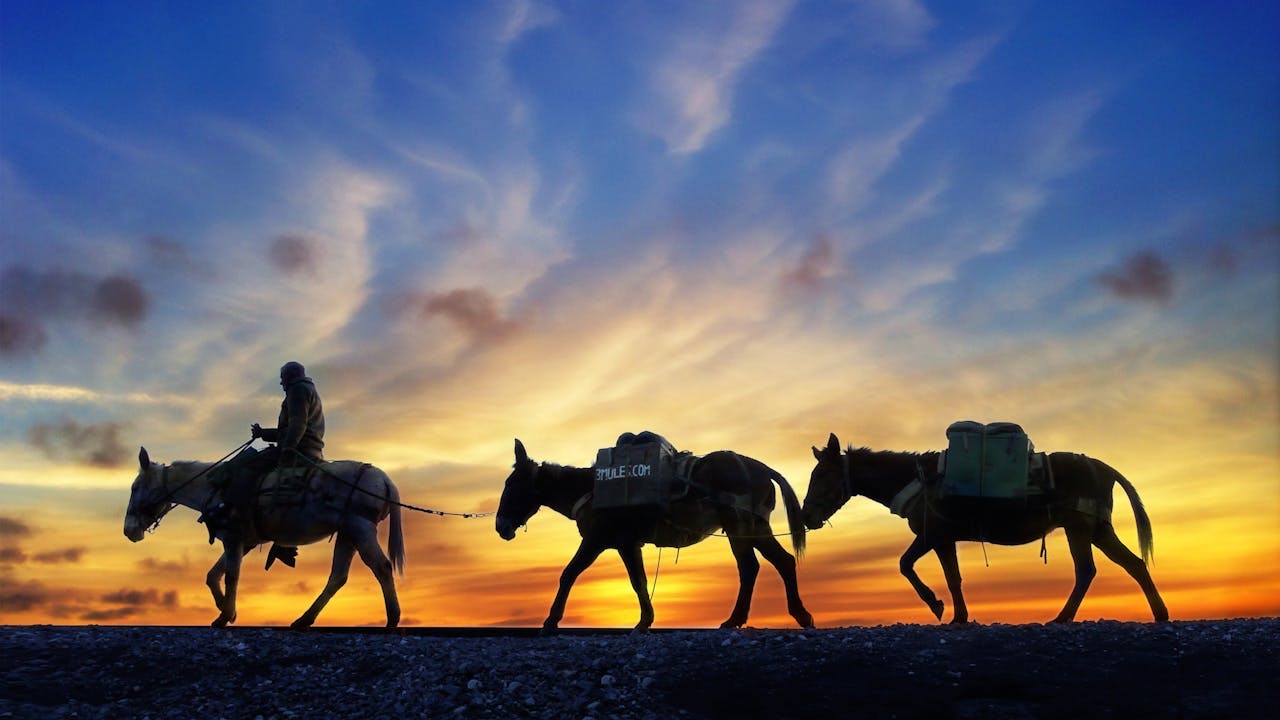
A feisty elderly man traveling with three mules struggles against the authorities to maintain his nomadic lifestyle in the American West.
THE STORY
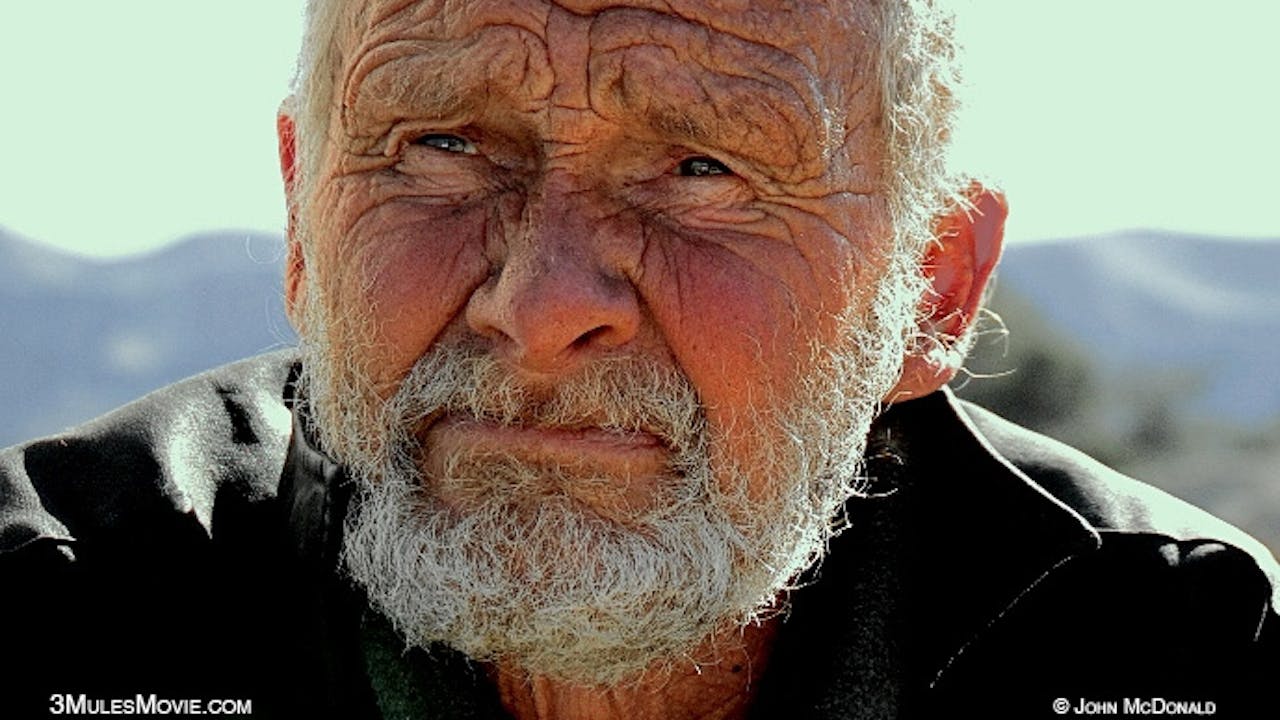
Director-cinematographer John McDonald teamed up with his daughter, editor Nina Schwanse, to make the film. It follows the life of John Sears, who refers to himself as Mule, over a span of two years. When McDonald met Sears, he had been roaming the western United States with his three mules for over thirty years. The 65-year-old and his animals live outside, claiming the right to move freely. Bemoaning the loss of open space, urban sprawl and our dependence on the automobile, Mule advocates a simpler way of life in harmony with nature. While many appreciate his nomadic lifestyle, Mule is not welcome everywhere. His confrontations with law enforcement have resulted in fines, arrests, even institutionalization. His story may be unusual, but it has universal appeal, celebrating the creativity, courage, and resilience to choose an extraordinary way of life and defend his place in the world. This observational documentary, told in Mule’s own voice, follows his neverending journey.
Director and Cinematographer: John McDonald
Editor: Nina Schwanse
Producer: John McDonald
Music: Jeff Kazor, The Crooked Jades
Associate Producers: George Hirose and Lydia McDonald
Running Time:
Theatrical version: 76 minutes
World Premiere: Thessaloniki International Documentary Festival 2023
"A beautiful journey! Loved it!"
Barbara Kopple, Two-time Oscar-winning Filmmaker
“I found it to be one of the best environment related films I have seen – really penetrating the heart of the problem. A complex and layered film. I was very moved by John [Mule] and his quest.”
Ra'anan Alexandrowicz, Peabody/Sundance Award-Winning Filmmaker
“… speaks to the… innate desire for adventure,”
Ken Ilgunas, author of This Land is Our Land
“Call Me Mule should be a mandatory watch.”
Ashley Bulayo, 411 in the 510
“It’s a brave and courageous film. I loved it from moment one.”
Yannis Palavos, Programmer, Thessaloniki International Documentary Festival
“I felt it was a paradigm of coexistence between man and nature, and not in a highly romantic way, but in a way that could be generative and productive for the viewer.”
Geli Mademli, Programmer, Thessaloniki International Documentary Festival
BIOS
JOHN McDONALD (Director and Cinematographer)
John McDonald’s first documentary, Cotton Eyed Joe, a short film he made at USC’s film school in 1971, garnered awards internationally and was shortlisted for an Oscar. He was the cinematographer on the Oscar-nominated documentary, SQUIRES of San Quentin (1979) and received an Emmy for his feature-length documentary, The Youngest Victim (1982). After a successful career in commercials and industrials, he returned to documentary filmmaking with The Ghost Mountain Experiment (2009), On the Day (2011), and Pipes & Sticks on Route 66 (2015). Call Me Mule (2023) is his first collaboration with daughter Nina Schwanse. John is a member of the Directors Guild of America and lives in Seattle. https://mcdonaldproductions.com/
NINA SCHWANSE (Editor)
Nina Schwanse (she/her) is an artist and filmmaker living in Los Angeles. She received her BFA from Cooper Union in New York and earned her MFA at the University of New Orleans. Nina has participated in exhibitions and screenings nationally and internationally and ran an experimental art and performance space called Home Alone. Call Me Mule is her first feature-length film.
JEFF KAZOR (Composer)
Jeff Kazor founded his groundbreaking and internationally influential band The Crooked Jades in San Francisco in 1996, recording 7 albums and touring the US and Europe playing festivals including Rudolstadt World Music Fest in Germany, Hebridean Celtic Festival in Scotland, Belfast Festival at Queens in Ireland, Calgary Folk Festival in Canada and (Hardly) Strictly Bluegrass, Merlefest, and Strawberry Festivals in the US. The Crooked Jades have showcased at SXSW, Folk Alliance and IBMA and been profiled on the PBS art magazine SPARK. Live radio performances include BBC in Scotland, England and Ireland and NPR in the US. A producer, musicologist and composer, as well as multi-instrumentalist and magnetic vocalist and performer, Kazor created the soundtrack to award-winning PBS documentary film “Seven Sisters” (2000) and produced music selected by Sean Penn for “Into the Wild” (2007). Recently selected by prestigious UK folk music magazine fRoots as one of 10 bands representing the best of Americana, Kazor and The Crooked Jades are currently being profiled and filmed for an upcoming 4-part television series (co-production of the US and Britain's BBC) to represent the cutting-edge modern folk music scene. Kazor co-founded the grassroots San Francisco Bluegrass & Old-Time Festival in 1999.
DIRECTOR’S STATEMENT
Not long before we met John “Mule” Sears, he had been traveling through the mountains near the small town of Ely, Nevada, not far from the Utah border. Accompanied by his three pack mules, he had roamed this way for years as he wandered around the western United States. But this time his path was blocked. The trail that had been used for centuries by the area’s earliest inhabitants came to an abrupt halt. A new housing development had sprouted up on what had been open, public land just a year earlier. As he traversed the West, he continued to encounter an increasing number of obstacles -- more barbed wire, “No Trespassing” signs and locked gates impeding his journey across formerly open natural lands.
Cities and towns throughout America are wrestling with suburban expansion and shrinking open space, exploring ways of connecting communities with alternative modes of travel, debating citizens' access to public land, and, perhaps most pressingly, searching for ways to address the increasing unhoused population in urban areas. Although Mule’s lifestyle and character appear unusual, his concerns are compellingly universal and go well beyond one individual’s fight to survive in today’s rapidly developing sprawl. His struggle represents the freedom to live outside the norms of society, and roam, rest, and sleep wherever his travels may take him.
Regardless of how we personally feel about Mule as an individual, the questions he raises affect us all, and his voice offers a unique perspective that deserves to be heard. "Call Me Mule" illuminates issues of public access, the right to public thoroughfare, and individual freedom by portraying the lifestyle of one man who is connected to the earth, his feet on the ground all day, every day. It also depicts society’s treatment of people who are less conformist, less fortunate, less firmly grounded-- those flawed but fascinating characters existing on the fringe of normality and mental stability. Perhaps the most important lesson we can learn from Mule is one of empathy, for without trying to understand those who choose to live differently, we cannot create a kinder, more compassionate world for everyone to share.
BACKGROUND
This is how the film began.
One evening, at dusk, I got a call from a friend who lives near me in a suburb of Los Angeles. He told me to hurry down to the end of our street and look east --- and see the subject of my next film. Yeah, right!
I ran to the corner just as a somewhat disheveled older man walked by, leading three fully loaded pack mules! He ignored me.
I noticed a crudely stenciled website address, 3mules.com, on one of the mule’s panniers. Curious, I went to the site and found only one page with these words:
"We are mules. We are from the outside. We live outside all day, every day. We have come to this place -- a place of golden sparkling light, a place for anybody and everybody. Give your faith, hope and energy to this place at which time you connect to it and receive the magic and endless possibility of infinity. As you walk in this place with these mules you spread the awareness that this beautiful earth, like no other, can only be protected by the way we live one day at a time."
Now I was even more intrigued, so I chased him down. We exchanged a few words, but he was rather cranky and wanted to move on. However, he asked me for directions, and that was enough to give me a clue as to where he might be spending the night. As he was leaving, I asked him what his name was. He said to just call him Mule.
The next morning was Christmas Eve. I had thought about Mule all night and what a unique life he led. Would he be a good character for a documentary? My whole family had come together for the holidays, and I was reluctant to go off on a wild goose (or mule) chase. But as a documentary filmmaker, I sensed a good story. The dog needed a walk anyway, so I headed out in search of the guy with the mules. No luck at first, but then I found him, already packing up to start on the next leg of his trip to who knows where.
He accepted a cup of coffee that I had brought with me. He talked a bit, very softly, and introduced me to the mules: Lady, Pepper and Little Girl. With some reluctance he allowed me to retrieve the video camera from my car. Surprisingly, with the camera running, he talked more and with intensity, his eyes closed and his head bent forward, concentrating on every word he said.
This is what I learned. Mule was born John Sears in a small town in northern California. He and his animals had traveled for over three decades through sixteen states and into Mexico. For the last ten years they had lived every single day outdoors. Not long before we met, he had been traveling through the mountains near the small town of Ely, Nevada, not far from the Utah border. He had roamed this way for years, but this time his path was blocked. The trail that had been used for centuries by the area’s earliest inhabitants came to an abrupt halt. A new housing development had sprouted up on what had been open, public land just a year earlier. As he traversed the West, he continued to encounter an increasing number of obstacles -- more barbed wire, “No Trespassing” signs and locked gates impeding his journey across formerly open natural lands.
He told me that throughout his travels he had noticed an ever-increasing urban sprawl. Open spaces where he and the mules once moved through freely and sometimes spent the night, were disappearing. More and more cars were filling up the roadways, and the expanding urban infrastructure seemed to be serving just one purpose: accommodate more automobiles.
I asked Mule if he would consider letting me tag along with him on his journey and do more filming. He said yes, with the caveat that I would help him develop his website and social media presence. It seemed like a fair trade with benefits for both of us.
Little did I know at the time that I would be traveling with “The Mules” off and on for 27 months, up and down the state of California, often by walking with them, riding a bike and even a horse, through noisy cities, quiet neighborhoods, and the backcountry wilderness. There was no crew involved in the production, and that allowed for the observational “fly on wall” feeling one gets in watching film. Some days I got some good footage, other days I did not, and occasionally I did no filming at all.
Hanging out with John and his mules was a lot of fun for the most part. We grew to like each other's company. The shared experiences during our travels helped to develop a relationship of mutual trust and respect, to a point. Things got more difficult, however, as time went by. He began to lose trust in me, and thought he was being exploited for my financial gain. He could not accept my explanation that there is no money in indie doc filmmaking and thought I was using the filming as a "cash cow" to raise money from unsuspecting donors. However, we parted ways with no ill will, wishing each the best for our continued journeys. I will always be grateful that he allowed me into his world so that his remarkable life can be shared with others through the magic of cinema.
With the filming done, I now faced the arduous task of turning 300 hours of footage into a viable film that would hopefully enlighten, educate, and entertain a wide audience. I wouldn’t have even known how to begin the editing process, but I did know it would take years, and money. After careful review of my written proposal and budget, the non-profit International Documentary Association accepted Call Me Mule into its fiscal sponsorship program, allowing for tax-deductible donations from individuals and funding organizations. My wife, Lydia, spent six months digitizing and logging the massive amount of material and transcribing all the dialogue. Using various editors, we cut together demo reels, teasers and selected scenes, applied for grants, hosted events, and cast a wide fundraising net via social media. We even edited a twenty-minute short that got into a few film festivals. Over time, I received grants and individual donations that covered about a third of the total budget. However, there just wasn’t enough money to pay an experienced feature documentary editor who would need at least a year to take the project across the finish line.
Enter our daughter, Nina Schwanse. When the pandemic began, she was laid off from her assistant editing job at a large TV production company. She let me know that she was available, had a vision for Call Me Mule, and would work for much less than the standard rate for editors. She had always been more of an artist and for most of her life veered away from any kind of conventional film production, pursuing painting and video/installation art. I said why not; let’s give it go. Starting from scratch, she threw out everything that had been previously edited and took an entirely different approach from what I had originally envisioned. My cinematography provided her with a large piece of rough stone, and for two years, on and off, she chiseled away and sculpted it into a beautiful piece of art. Within the vast amount of footage, Nina found a way to tell John Sear’s story in a compelling and sensitive way.
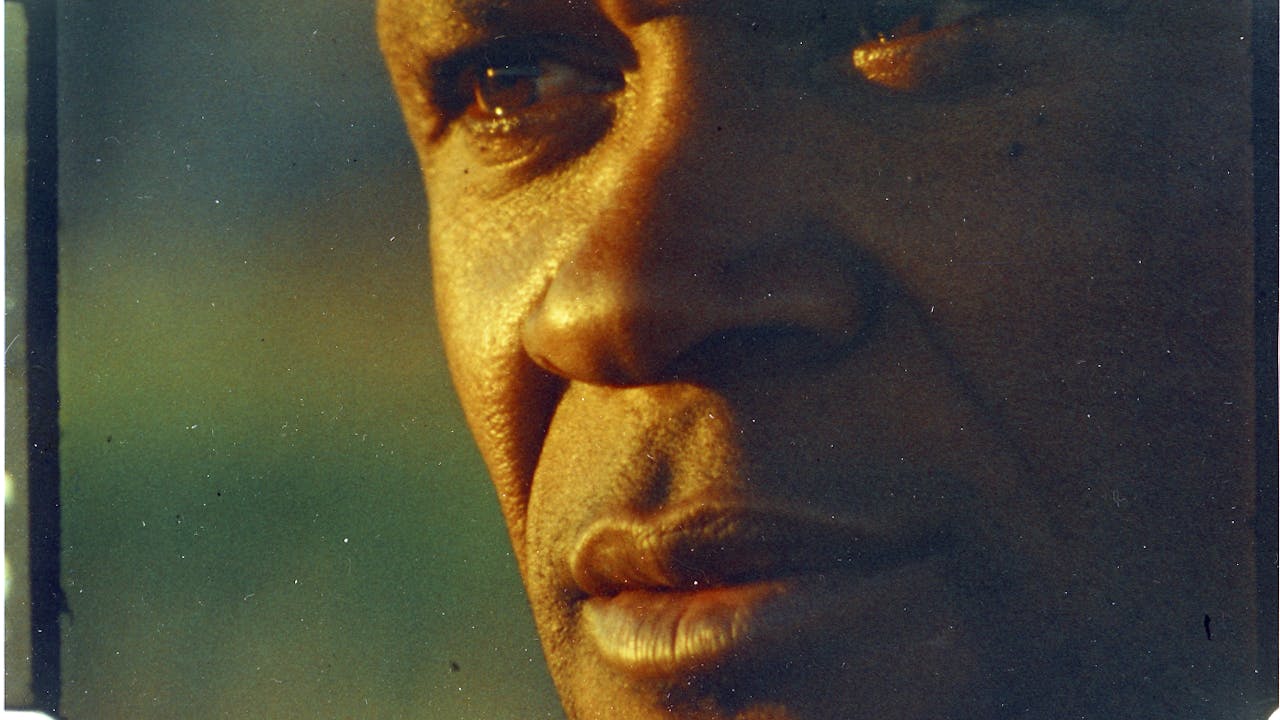
The simple but compelling true story of an African-American vagabond named Joe. A former rail-rider, he has settled as a squatter in a secluded spot near downtown Los Angeles to live out his life in the small hut he has made his home. Dependent on the city and yet terrified of everything in it, Joe seeks a quiet life-style of simple needs and simple wants. The camera follows Joe through a day in this life, never intruding, showing only glimpses of his existence, painting a portrait of a unique individual.
Featuring music by B. B. King and Nina Simone
“…an eloquent, wordless documentary.”
Charles Champlin, Los Angeles Times
Produced as my senior thesis at the University of Southern California, Division of Cinema, 1971.
The world’s elite solo bagpipers form an all-star band to compete against all odds at the World Championships in an epic battle of the bands. Filmed in Scotland, Canada and the US, this award-winning music documentary offers all of the thrills and nail-biting suspense of a great sports movie. You don’t need to be an expert or enthusiast to enjoy this riveting tale of talent, perseverance and camaraderie. (Note: This is the 67-minute version of the film that aired on the CBC)
PLUS 3 FREE BONUS EXTRAS:
- 28-page photo-filled booklet about the band & the film (pdf)
- 18-track music album* (76 minutes, mp3)
- 12-page music album liner notes (pdf)
*Solo recordings (not on any other albums) by Spirit of Scotland band members Roddy MacLeod, Niall Stewart, Alasdair Gillies, Simon McKerrell, Stuart Samson, Colin MacLellan, Matt MacIsaac, Niall Matheson, Willie McCallum, Angus MacColl, Euan MacCrimmon, and Jim McGillivray, plus the band's medley at the World Pipe Band Championship finals.
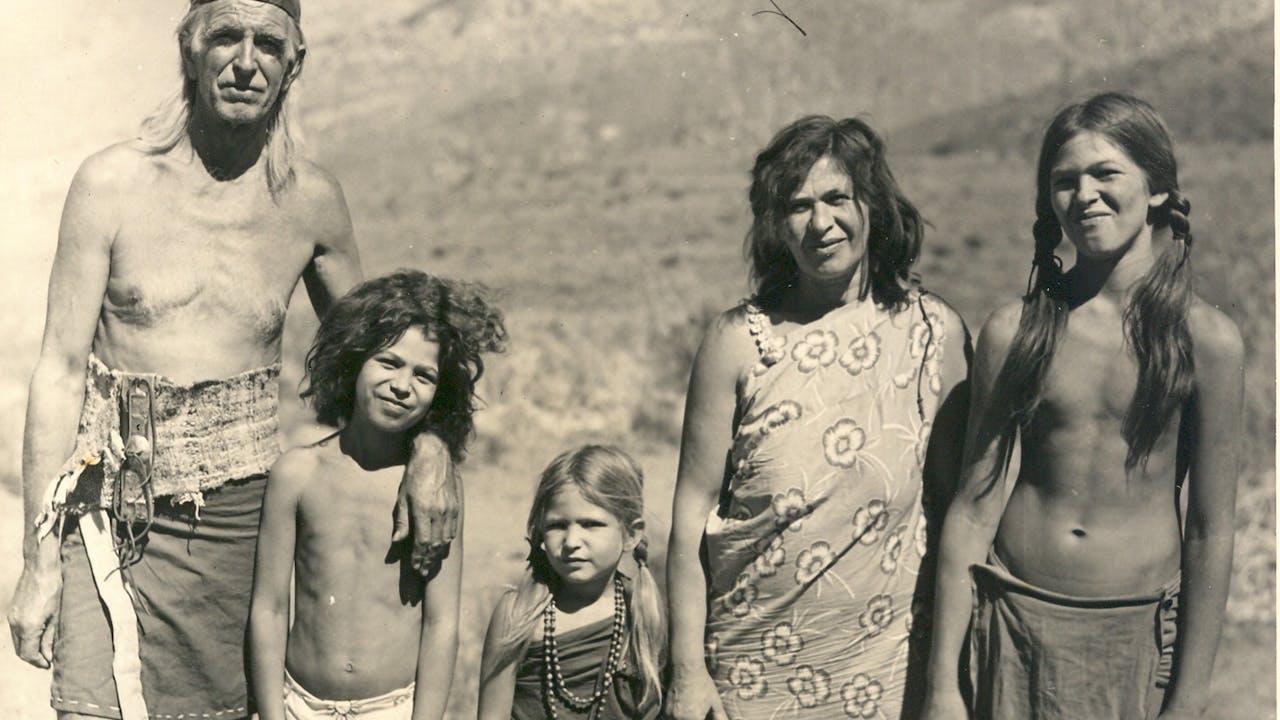
The counter-culture revolutionaries of the 1960s protested against everything that was part of the “establishment,” from consumerism to the Vietnam War. The hippies sought self-sufficiency, living off the land, doing your own thing, and being as naked and natural as the land itself.
But decades earlier, there was Marshal South.
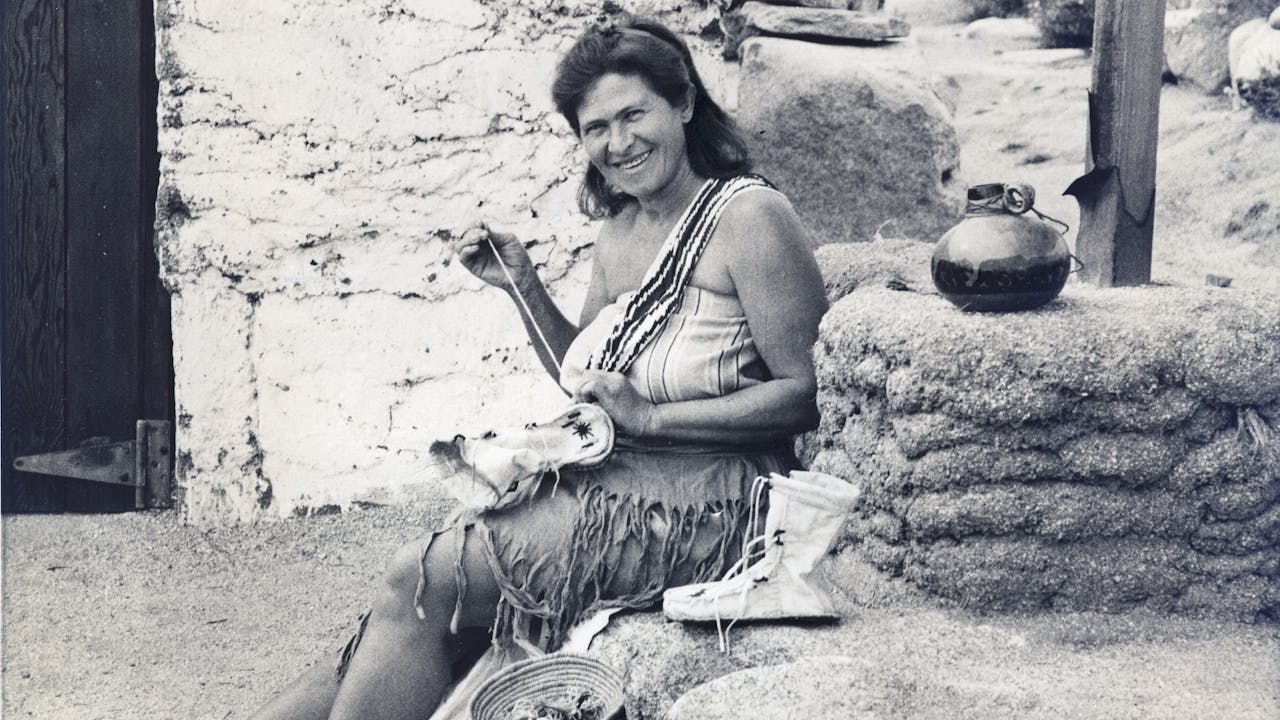
In 1930 this eccentric artist and author and his wife Tanya fled civilization in pursuit of a simple back-to-nature lifestyle. For seventeen years, they lived on a remote waterless mountaintop in the California desert and raised three children. Marshal’s monthly articles and Tanya’s poetry in Desert Magazine chronicled life in their arid paradise for a growing national audience. The family survived the Great Depression and World War II, but isolation and betrayal eventually took their toll.
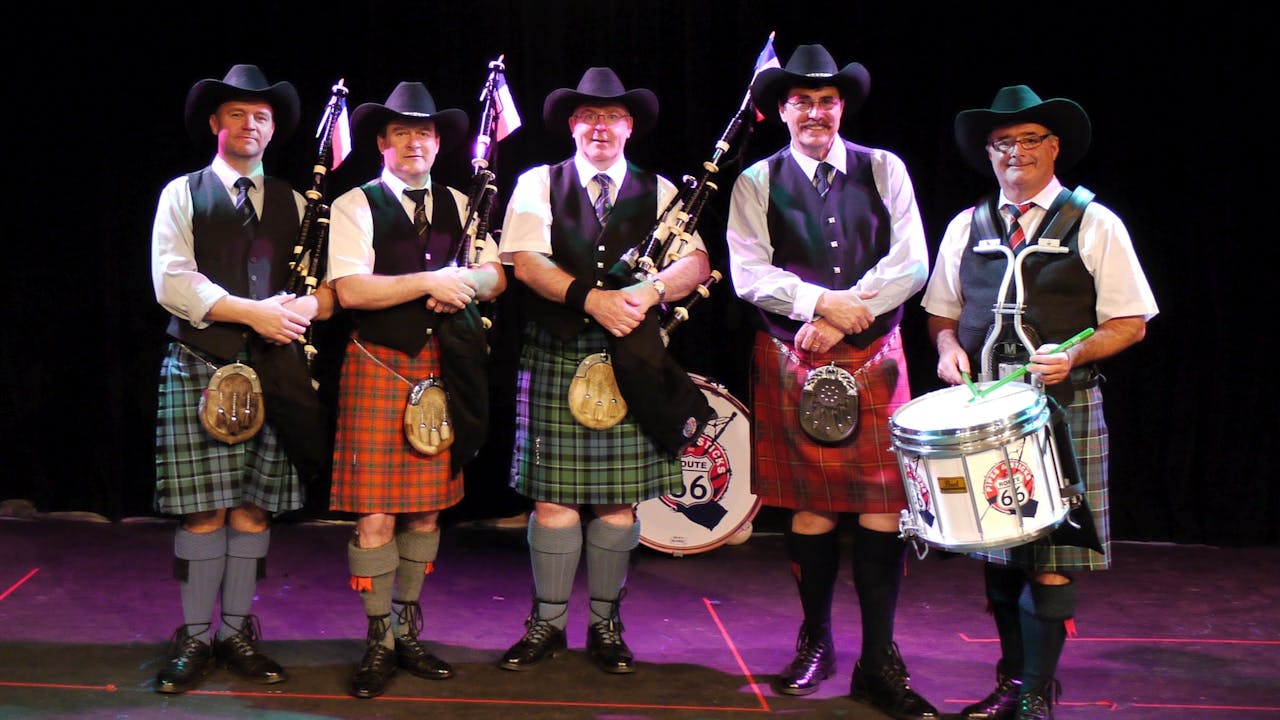
Five “rock stars” of the bagpiping world get their kicks on Route 66 as they play an unforgettable concert tour down the Mother Road of America. Scottish pipers Willie McCallum, Stuart Liddell and Angus MacColl and drummer Jim Kilpatrick join forces with American percussionist Mike Cole in Chicago for the 2,400-mile journey to Los Angeles. Interweaving incredible music with the band members' personal experiences, the film entertains and enlightens, offering a unique view of America’s fascinating people and places through the eyes of these foreign visitors.
“He’s a Peeping Tom!” ~ Marty McFly (Michael J. Fox)
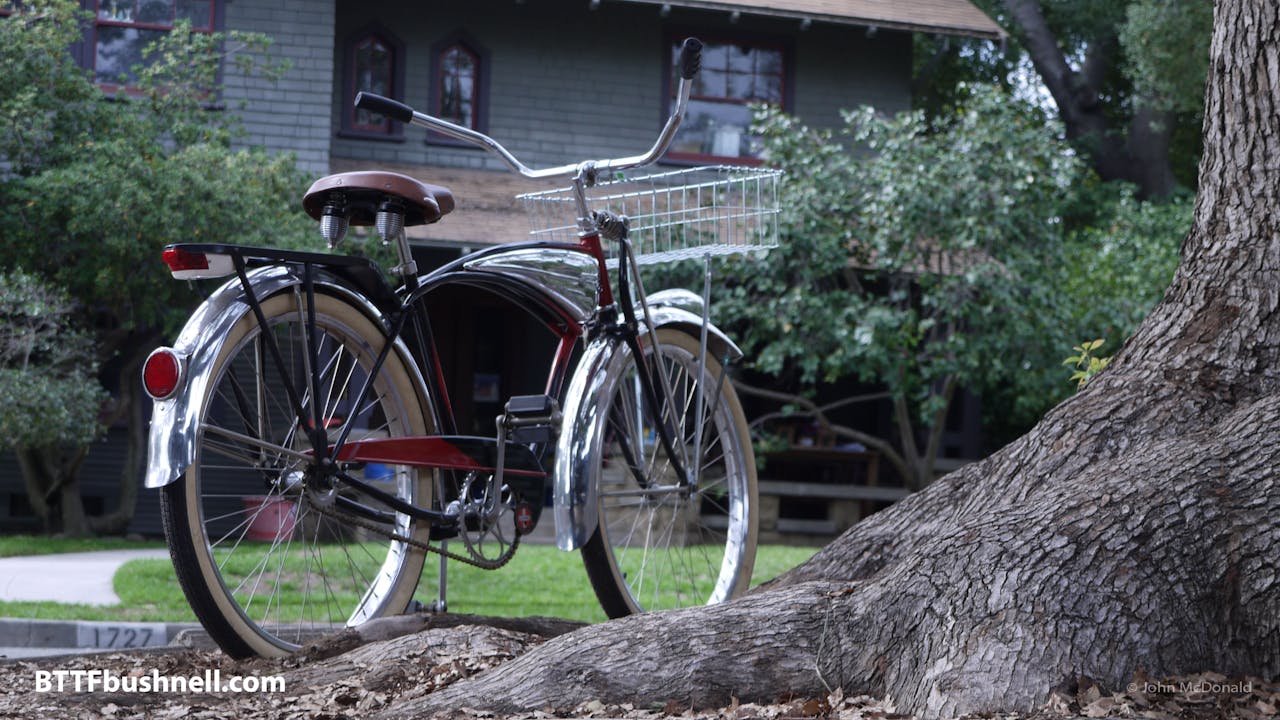
Every year, fans of BACK TO THE FUTURE from all over the globe travel to a quiet street in South Pasadena, California to visit the location of a pivotal scene in the movie: the "peeping tom" tree where George McFly (Crispen Glover) is saved by his future son, Marty (Michael J. Fox), changing history forever! That tree sits in the front yard of filmmaker John McDonald who couldn't resist documenting the passion and devotion of these fans as they regularly descend of Bushnell Avenue to touch (and sometimes climb on) a piece of movie history. (Running Time: 15 minutes)
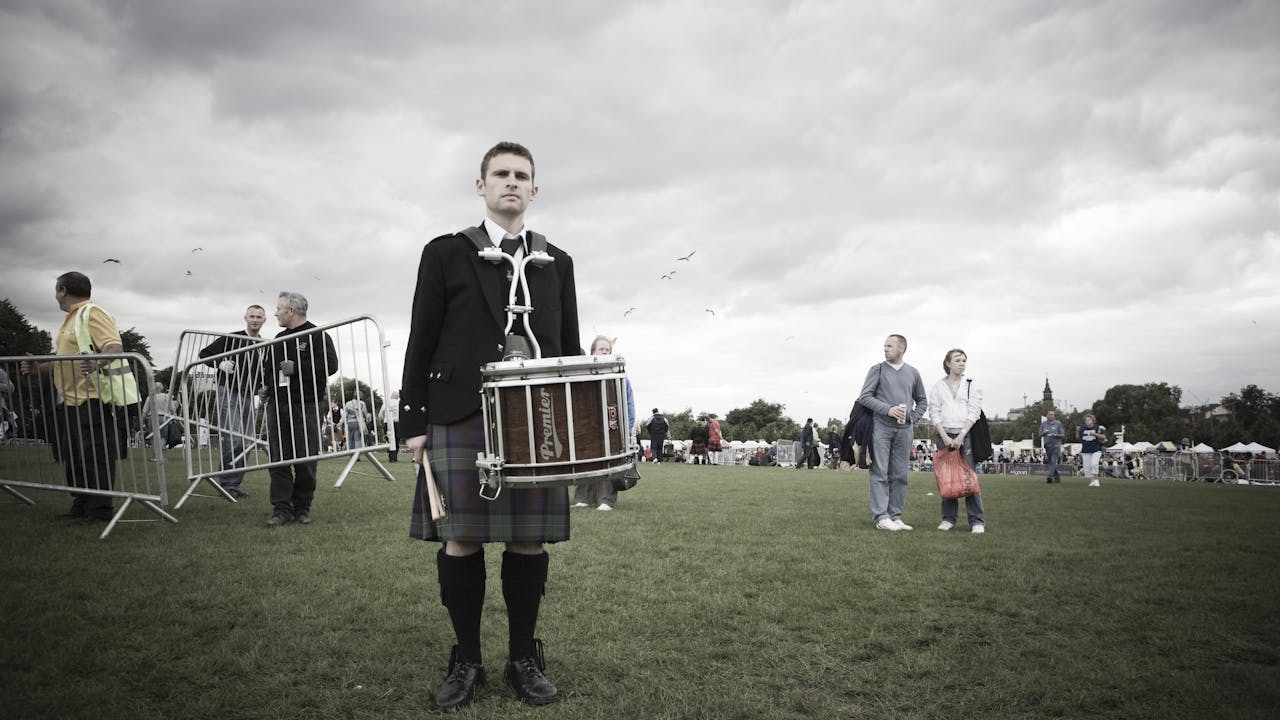
The Misty Isle Pipe Band travels to Glasgow, Scotland in 2004 to compete in the World Pipe Band Championships.
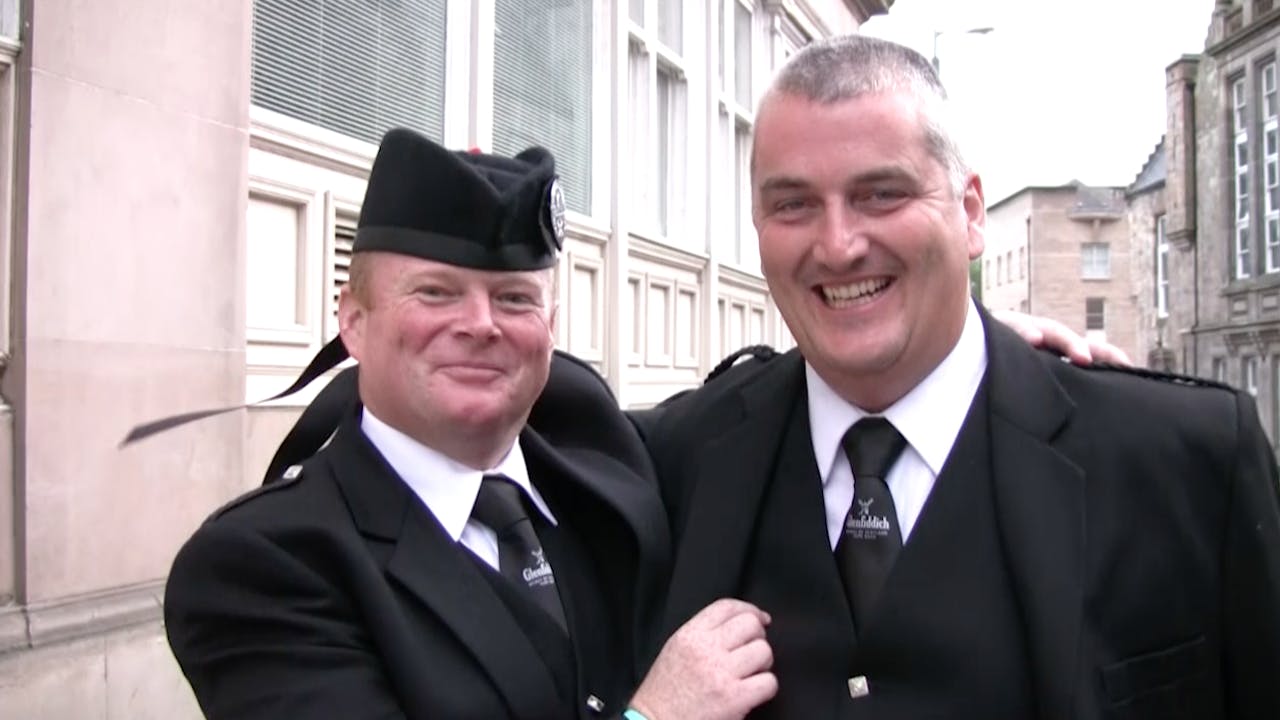
This bonus package includes 21 separate videos that will totally immerse you into the musical talent of the Spirit of Scotland Pipe Band as well as some of its individual members.
- MSR Qualifier (BBC coverage with 4 cameras)
- MSR Final with Bob Worrall’s Commentary (BBC coverage with 4 cameras)
- Medley Final with Bob Worrall’s Commentary (BBC coverage with 6 cameras)
- Eaun MacCrimmon plays the entire piobaireachd "Lament to the Earl of Antrim" on the Isle of Skye
- 7 concert performances by Roddy MacLeod, Alasdair Gillies, Euan MacCrimmon & Angus McColl
- Stuart Samson, MBE plays at the Basel Tattoo in Switzerland
- Busking on Buchanan Street in Glasgow
- 6 video tutorials of Roddy MacLeod’s practice recordings for the band with sheet music
- Roddy’s home practice of the band’s medley
- “The Proper Way to Tie a Necktie” with Alasdair Gillies
PLUS 4 FREE BONUS EXTRAS:
- Panoramic poster as band marches off the line at the World's (pdf)
- 28-page photo-filled booklet about the band & the film (pdf)
- 18-track music album* (76 minutes, mp3)
- 12-page music album liner notes (pdf)
*Solo recordings (not on any other albums) by Spirit of Scotland band members Roddy MacLeod, Niall Stewart, Alasdair Gillies, Simon McKerrell, Stuart Samson, Colin MacLellan, Matt MacIsaac, Niall Matheson, Willie McCallum, Angus MacColl, Euan MacCrimmon, and Jim McGillivray, plus the band's medley at the World Pipe Band Championship finals.
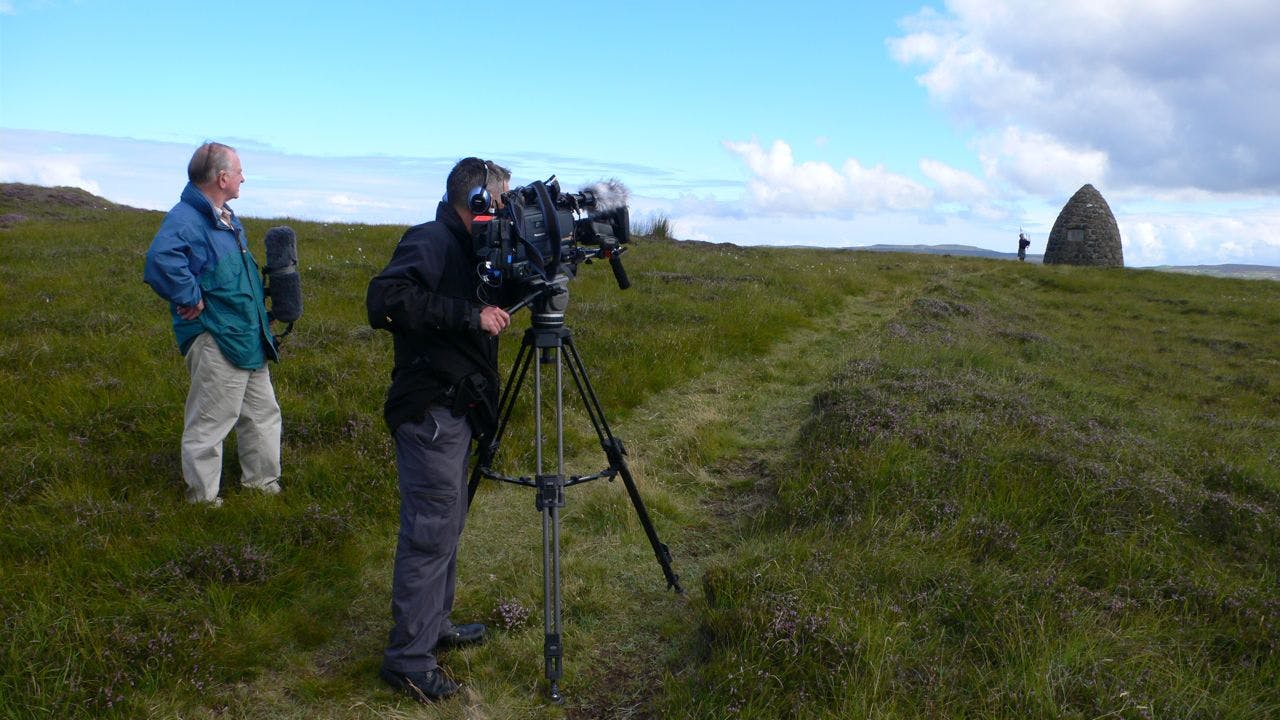
Spirit of Scotland Pipe Band member, Euan MacCrimmon, plays "Lament to the Earl of Antrim" at the site of the ancient school of piping on the Isle of Skye.
The 67-minute feature documentary PLUS a bonus package that includes 21 ADDITIONAL VIDEOS.
- MSR Qualifier (BBC coverage with 4 cameras)
- MSR Final with Bob Worrall’s Commentary (BBC coverage with 4 cameras)
- Medley Final with Bob Worrall’s Commentary (BBC coverage with 6 cameras)
- Eaun MacCrimmon plays the entire piobaireachd "Lament to the Earl of Antrim" on the Isle of Skye
- 7 concert performances by Roddy MacLeod, Alasdair Gillies, Euan MacCrimmon & Angus McColl
- Stuart Samson, MBE plays at the Basel Tattoo in Switzerland
- Busking on Buchanan Street in Glasgow
- 6 video tutorials of Roddy MacLeod’s practice recordings for the band with sheet music
- Roddy’s home practice of the band’s medley
- “The Proper Way to Tie a Necktie” with Alasdair Gillies
PLUS 4 FREE BONUS EXTRAS:
- Panoramic poster as band marches off the line at the World's (pdf)
- 28-page photo-filled booklet about the band & the film (pdf)
- 18-track music album* (76 minutes, mp3)
- 12-page music album liner notes (pdf)
*Solo recordings (not on any other albums) by Spirit of Scotland band members Roddy MacLeod, Niall Stewart, Alasdair Gillies, Simon McKerrell, Stuart Samson, Colin MacLellan, Matt MacIsaac, Niall Matheson, Willie McCallum, Angus MacColl, Euan MacCrimmon, and Jim McGillivray, plus the band's medley at the World Pipe Band Championship finals.
In the final concert of the Route 66 tour in Pasadena, Willie plays a wonderful piobaireachd.
REDISCOVERING LOST GOLD!
The 1-hour PBS television special PLUS 56 minutes of Bonus Features.
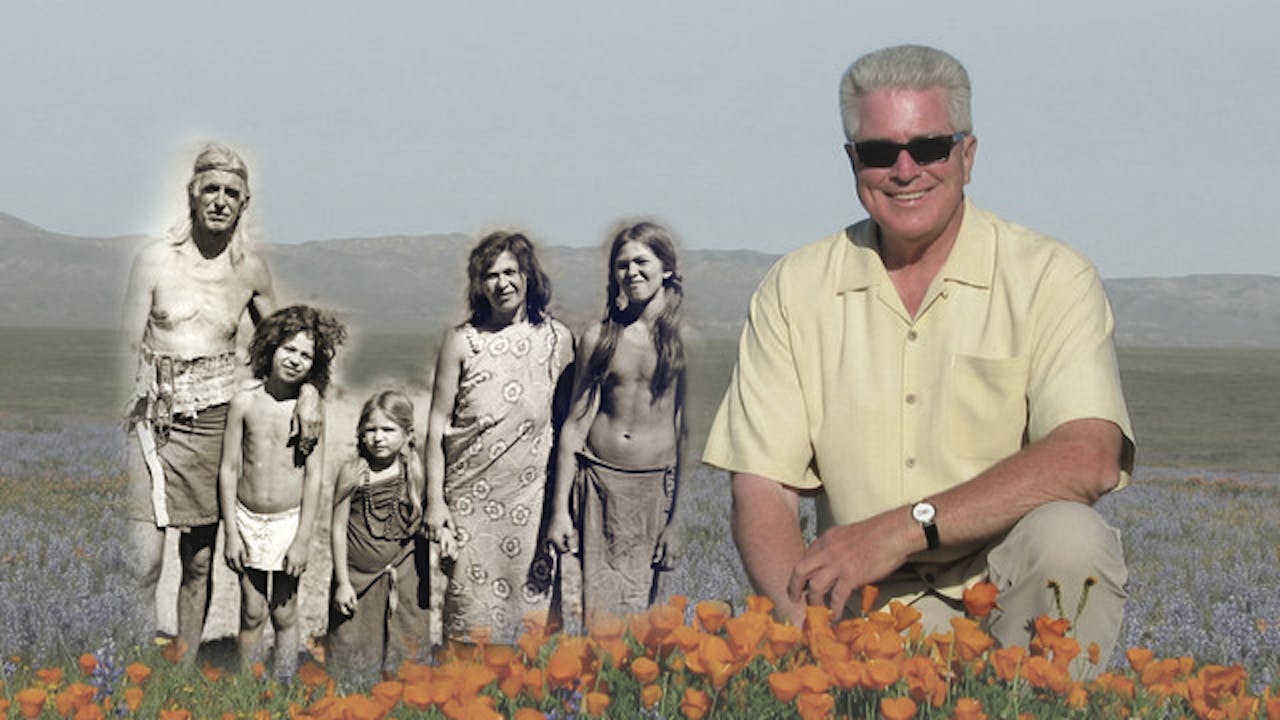
Rugged idealist Marshal South and his family flee the city hoping to live off the land in the Anza-Borrego Desert, but their back-to-nature dream ends as isolation and betrayal take their toll.
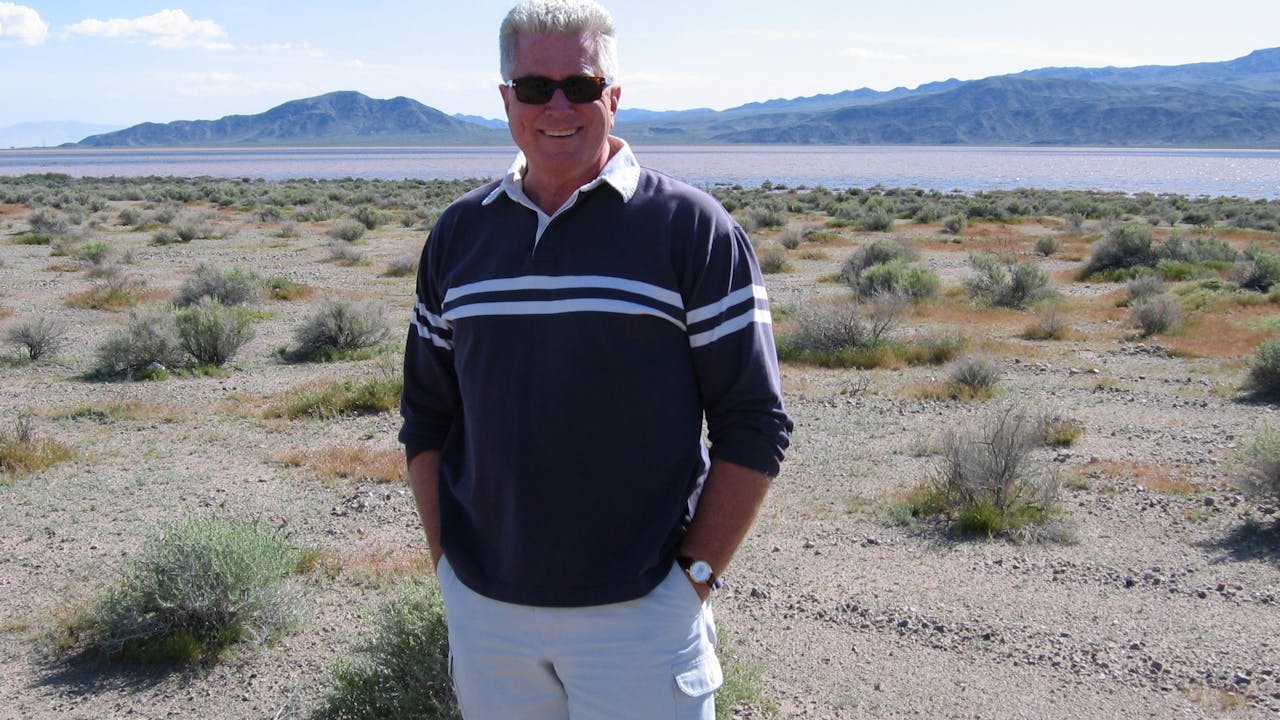
The late television personality Huell Howser believed the South family saga was a quintessential California story. He produced a special episode based on filmmaker John McDonald’s documentary for his television series "California’s Gold" before the series was cancelled by PBS. Here is the intriguing episode that has never been seen before!
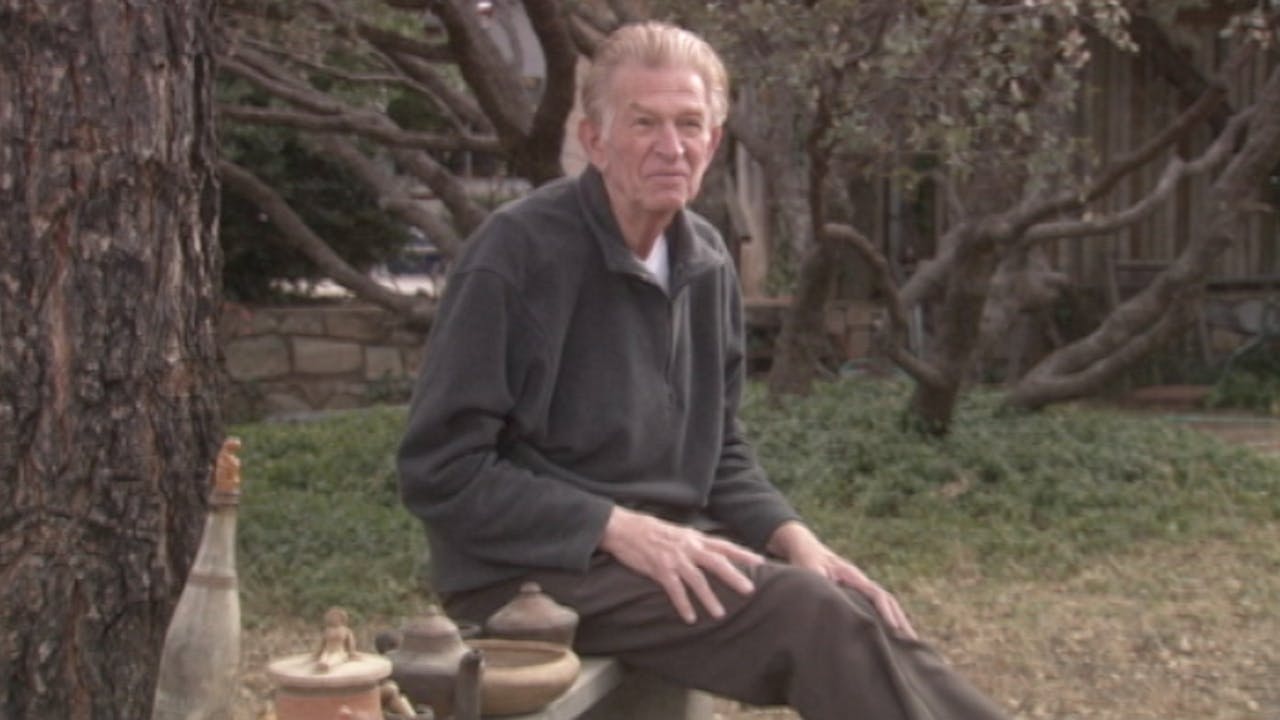
Oldest South child shares family heirlooms from Ghost Mountain at his home in Silver City, New Mexico.
REDISCOVERING LOST GOLD!
The 1-hour PBS television special PLUS 56 minutes of Bonus Features.
Rugged idealist Marshal South and his family flee the city hoping to live off the land in the Anza-Borrego Desert, but their back-to-nature dream ends as isolation and betrayal take their toll.
The late television personality Huell Howser believed the South family saga was a quintessential California story. He produced a special episode based on filmmaker John McDonald’s documentary for his television series "California’s Gold" before the series was cancelled by PBS. Here is the intriguing episode that has never been seen before!
BONUS FEATURES:
- "California, Here I Come" music video by Huell and the Musicians Institute
- Mark Jorgensen, former Park Superintendent, visits Ghost Mountain
- Oldest child Rider South shares family heirlooms from Ghost Mountain
- Post-screening Q&A with filmmakers and guests in Borrego Springs
- Musicians perform at Ghost Mountain’s trailhead
BONUS FEATURES:
- "California, Here I Come" music video by Huell and the Musicians Institute
- Mark Jorgensen, former Park Superintendent, visits Ghost Mountain
- Oldest child Rider South shares family heirlooms from Ghost Mountain
- Post-screening Q&A with filmmakers and guests in Borrego Springs
- Musicians perform at Ghost Mountain’s trailhead
The work-in-progress reel reflects the tone, though not necessarily the final structure of the film and is a 10-minute rough cut assembly of scene selects, not color corrected or mixed. The sample introduces the film’s main character, primarily using his voice to tell his story, showing him moving back and forth between living in the natural world and the man-man world, the people he encounters and the conflicts he faces. It also includes interviews with experts reflecting on the issues he raises. The minimalist music that blends with the natural sounds of the environment and sound effects is representative of what will be used in the final film.
One scene from the feature-length documentary work in progress MULE: Living on the Outside. It has not been color-corrected or sound mixed, and the music is temporary.